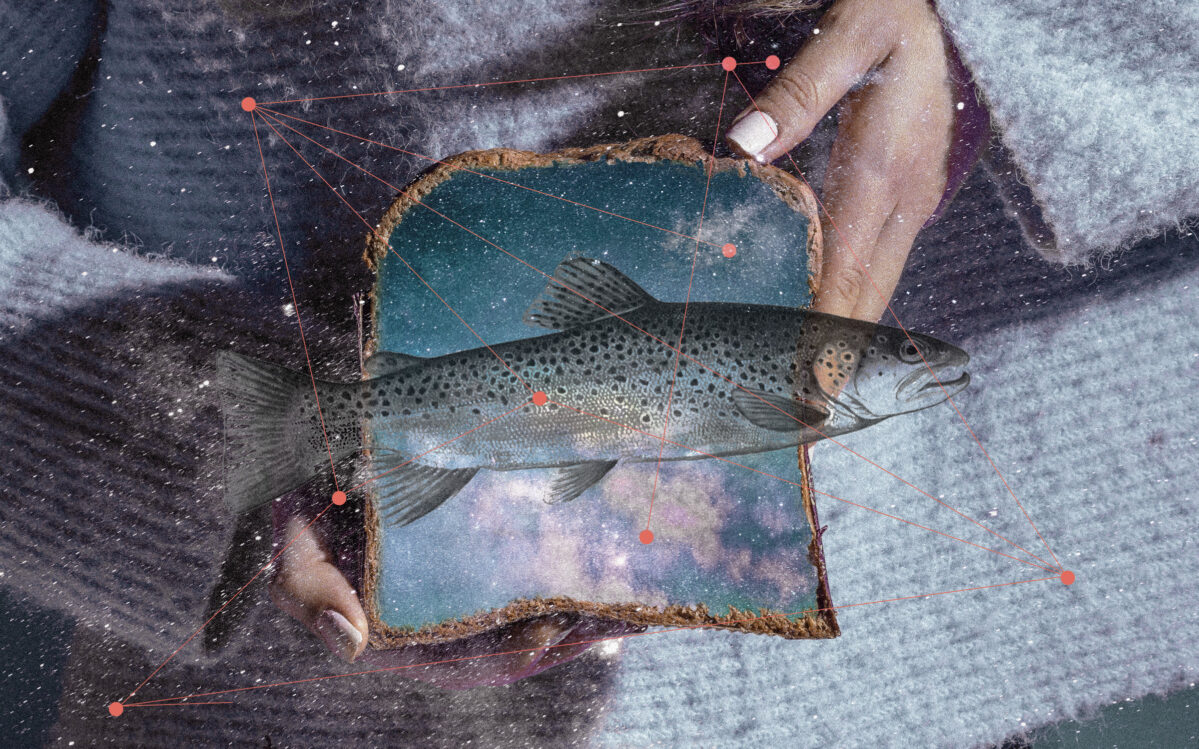
When a dish is presented, we often evaluate it first by sight. As Apicius, the 1st-century Roman gastronome, famously stated, “The first taste is always with the eyes.” Following this visual assessment, our sense of smell comes into play, leading up to the moment we take our first bite.
This gustatory sense is typically the point at which we define the act of tasting food, which forms how we consume and view food. The moment we put it in our mouth, it is considered food. This is where the Farm-to-Table philosophy can feel more like Table-to-Farm.
Before our food even reaches the table, we glean insights from menus and descriptions. We can “know” where the meat is sourced or whether the corn is genetically modified. This written information gives us a sense of closeness and attachment to our food. However, our proximity to the food is far from close and connected when our choices rely predominantly upon our sights and gustatory sense. The “knowing” of where the food is from holds little significance when the meal is already made and served.
Food is formed by life; food is life. As Sandor Katz notes in Fermentation as Metaphor, fallen leaves, compost, manure, and dead animals are consumed by insects, fungi, and bacteria that turn into soil and nurture the plants. Food always involves ingesting other forms of life. If only we could trace back and learn about the life we are devouring with our senses, then we would really know.

How are we consuming our food today, and why does it matter?
When we enter a supermarket, we encounter neatly packaged meat cut into small pieces that obscure any connection to the living animals they once were. Brightly colored vegetables glisten under a fine mist of water, enticing us with their freshness. Yet, we heard nothing of the animal screams in the slaughtered house or smelled any of the strong petrol fumes from the field. Where vegetables are grown and animals are raised are further and further away from us, which gives us the fantasy of living in a clean, convenient, and efficient world. However, critical environmental issues—global warming, energy consumption, animal diseases, and animal welfare related to food production—are pressing concerns as our ecosystems face significant threats. Despite increased awareness of the impacts of industrial food production, our consumption patterns largely remain unchanged.
These problems above, in my opinion, stem from a disconnection in how we consume. This fosters a growing detachment from our surroundings. What impact could these issues potentially have on us when we can not even place ourselves in the center of the problem and feel?
Sounds too good to be true
To address these challenges, various dietary approaches have emerged over time, including vegetarian, vegan, keto, paleo, and seafood diets, each claiming to be the best option. It seems we have all the options to be “sustainable,” but do we?
My firsthand experience working at a plant-based meat company offered insights into this “sustainable choice” on the market. Initially, I found fulfillment in promoting plant-based diets and environmental education. However, as I transitioned to the business side and fielded questions from clients about our products, I began to reflect on the implications of creating plant-based meat. What does it truly take to produce a plant-based patty? Where do we source our raw ingredients? Is this innovation genuinely solving our problems, or is it merely another product of capitalism?
In the end, I could not find an answer within the environment I was in. I left. Continuing with my learning I found that most of the options on the market complicate the issue, obscuring the real challenges we face. Instead of confronting these problems directly, capitalism often offers illusory solutions that maintain control. Meanwhile, global meat production and consumption continue to rise, highlighting the urgent need for a more honest conversation about the way we eat.
Get in touch with life
It's time to burst the bubble, shatter the illusion, and reconnect with life. More specifically, we need to acknowledge the living beings—both plants and animals—that end up on our plates.
In today’s world, many are unsettled by the sights and smells of livestock. Yet, bringing butchering into the open market embodies the true spirit of the Farm-to-Table movement. It strips away the sterile glass and metal barriers in the mass production system and shows us the other sight of killing an animal. The act of killing animals is bloody, yet it can be peaceful and should be respectful. When looking outside of the mass production world, for many of the regional and indigenous cultures, a customary method of acquiring food involves traditional killing, which reflects a deep reverence for life.
At least once in our lives, we should bear witness to the process of life transforming into sustenance. Imagine touching the freshest flesh, feeling the warmth fade as life departs. This experience shifts our perspective from mere consumption to a profound awareness of the life we are about to devour. We begin to understand our food on a deeper level, moving beyond what’s simply written on a menu.
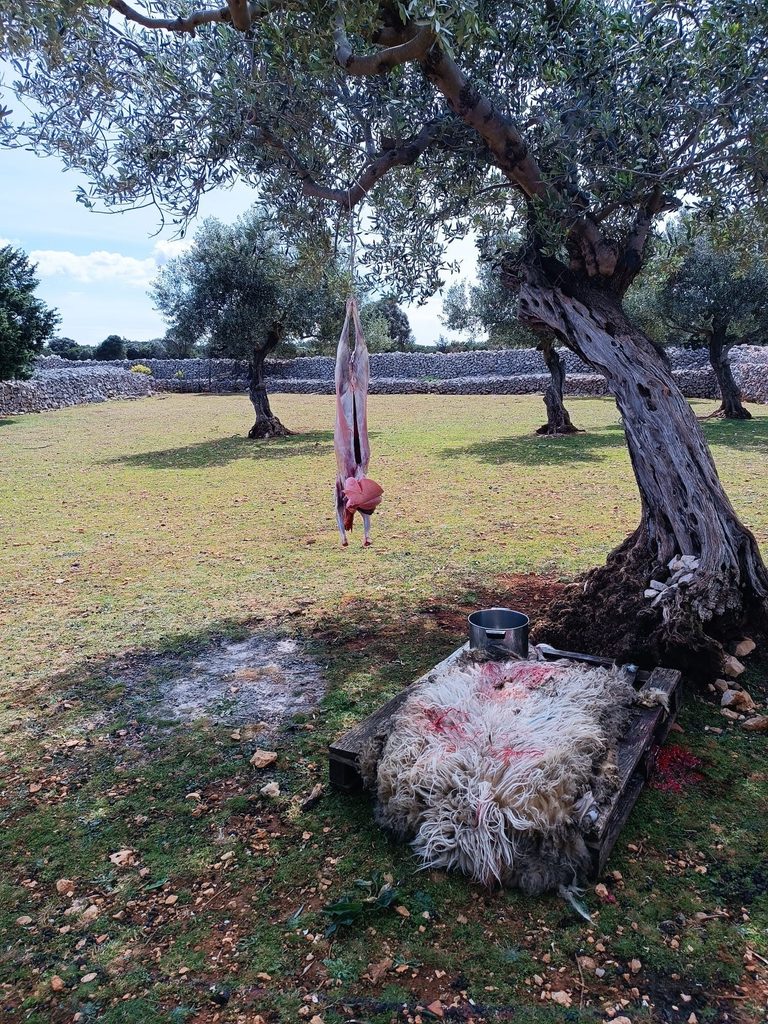

No other people are around, just the participants of the banquet who now fully understand the sacred meaning and the power of food.) Photo and words by Stefano De Canio
University of Pollenzo
The world's first university entirely
dedicated to food sciences
Have you ever planted a vegetable yourself?
Digging into the earth, feeling the soil’s texture, and sensing the moisture in the air creates a tangible connection to the food we grow. As we nurture these seeds, we witness life sprouting through the humus, transforming into a bountiful harvest through our attentive care. This process allows us to truly inhabit our environment rather than simply exist within it.
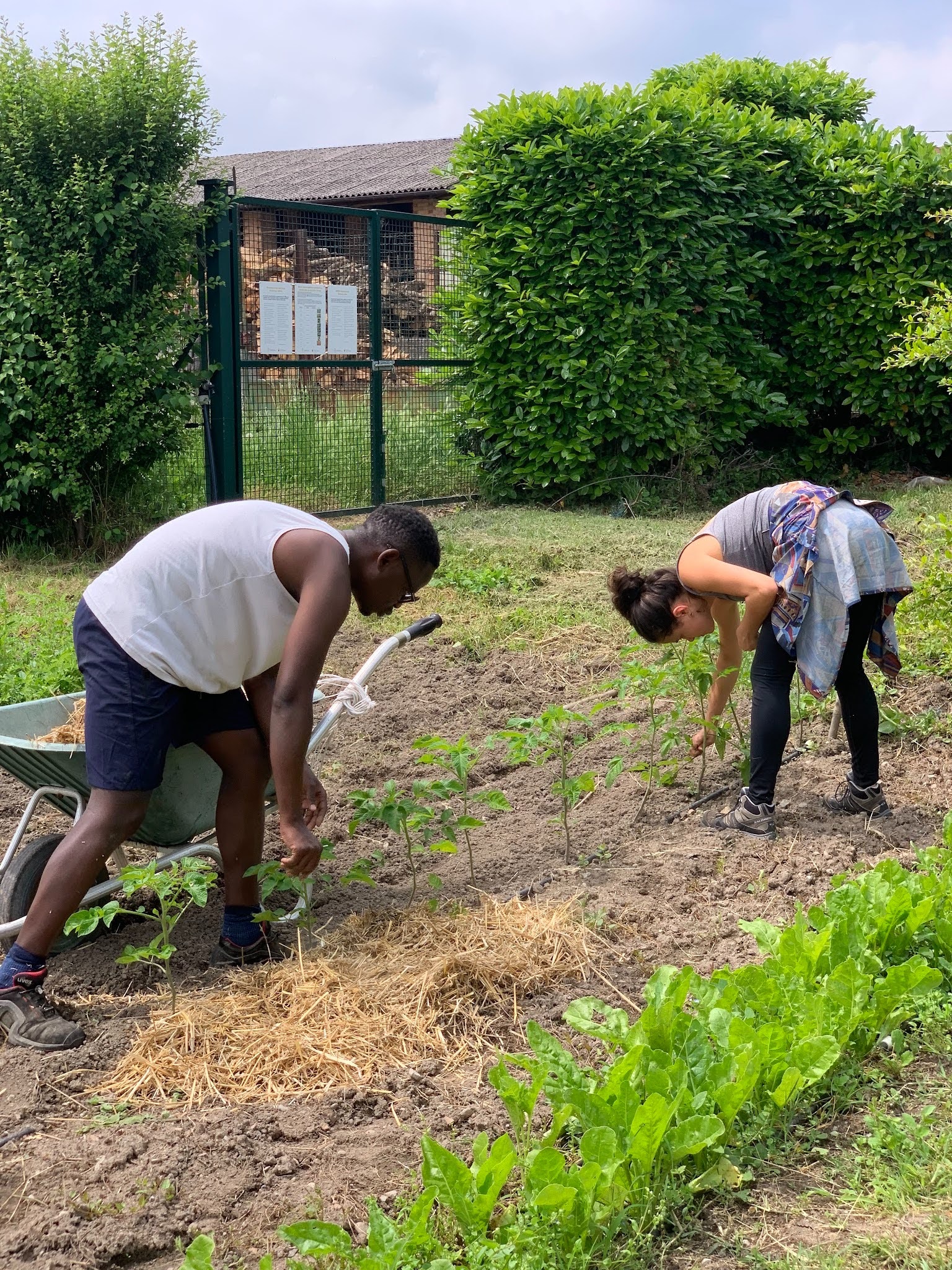
The term "terroir," rooted in French wine culture, captures the unique flavor of environmental characteristics and cultural heritage. Not only that, it extends to the relationship between inhabitants and their land, the philosophical outlook of the community, and the collective memory embedded within the landscape. It represents the taste of life itself in a particular area. Terroir can not be perceived solely by the gustatory sense.
The journey of tasting is a composition of sensations and emotions. A journey that involves sweating, cutting, observing, and connecting. Embracing feelings of enthusiasm, excitement, doubt, frustration, fear, exhaustion, reward, pleasure, and fulfillment. All of these are recognized as Haptic tasting, Haptic tasting, a sensory exploration that weaves through our interactions with food. By engaging all our senses and taking the time to truly feel what we take, we gain a holistic understanding of our choices, leading us toward more sustainable and meaningful eating practices.
Taste does not begin or end within our first bite.
It is the ongoing life surrounding us, a reality often overlooked in contemporary society. To truly understand the essence of what we taste, we must connect with the life unfolding before us. The path of haptic tasting may not be familiar or effortless, but it ultimately guides us to the heart of the matter. Resembling the acquired taste that presents an opportunity for exploration. This shift in perspective allows us to perceive the food on our tables in a new light. We honor the food as it provided its life to us. We feel the vital energy as we engage in their growth. We taste with care, cherishing each morsel and avoiding waste as we are mindful of the labor involved in its transformation. Every bite becomes a treasured gift from our connection to life itself.
Let us reclaim the senses relinquished to capitalist society and embrace a fully immersive experience of taste by touching, listening , watching, smelling, and tasting life in its entirety. Haptic-tasting life could lead to the most heartfelt meal we have ever had.