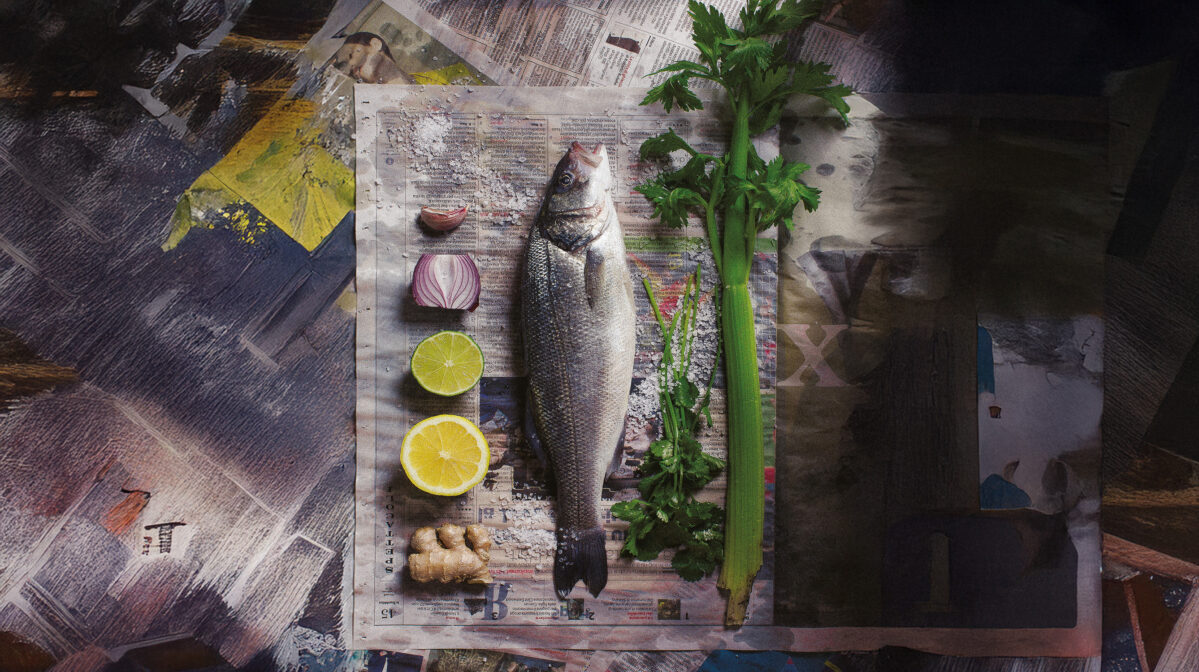
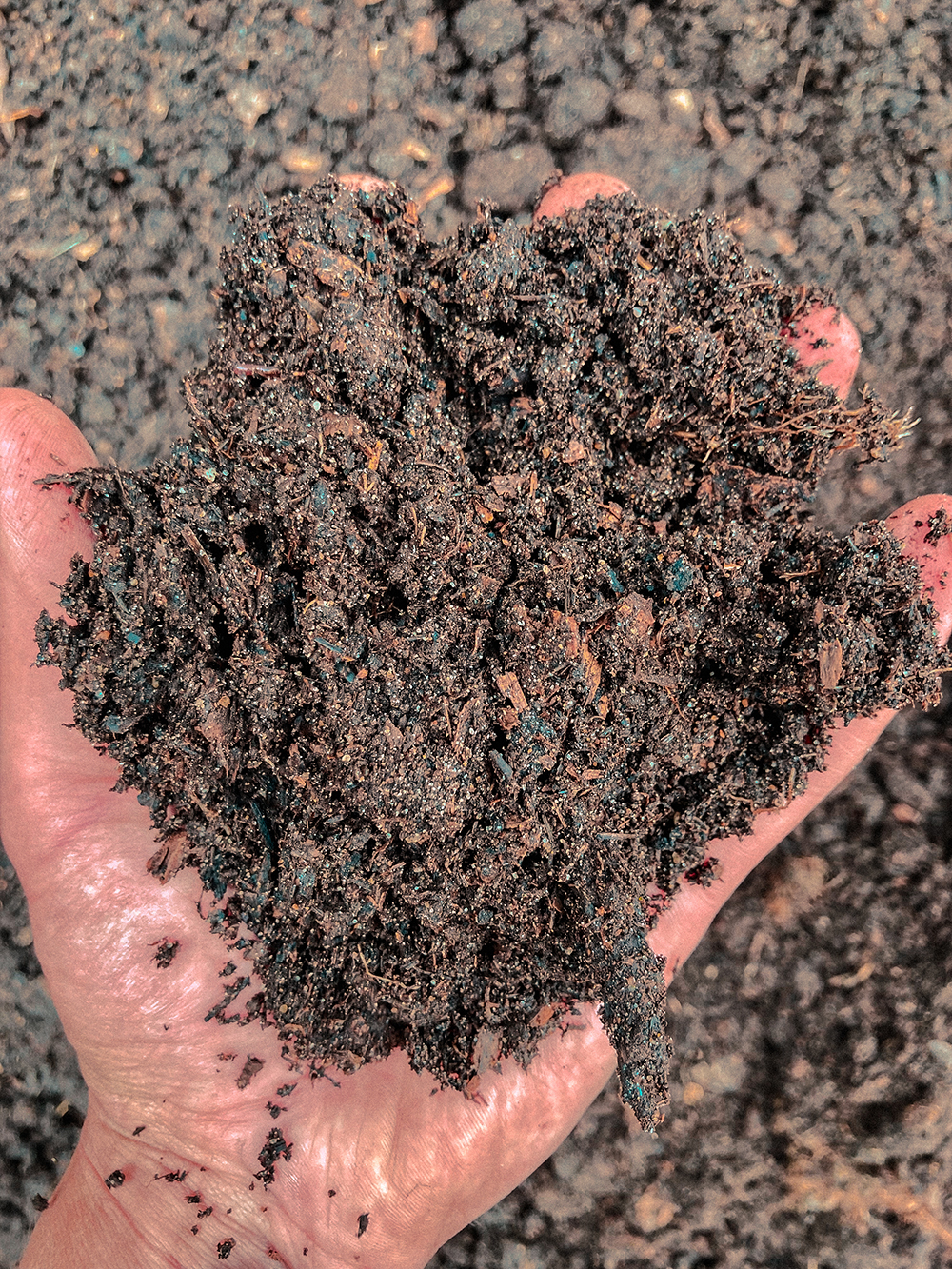
Planet Earth, the year is 2080 AD.
Once a vibrant and thriving planet, it now languishes under the weight of heavy pollution and the devastating effects of climate change. The ecosystems we once knew have been irreversibly destroyed, leaving behind a barren and desolate landscape. The air, once crisp and refreshing, has become a toxic blend of fine particles and noxious gasses. The inhabitants of Earth's surface are forced to wear masks to shield themselves from the hazardous atmosphere that surrounds them.
In this bleak future, a condition known as anosmia plagues the people, robbing them of the ability to perceive smells and plunging their existence into a perpetual state of dreariness and unhappiness. The absence of smells has cast a shadow over every aspect of life. The flavors of food have lost their richness, the seasons have forgotten the scents that once defined them, and even the most cherished places have been stripped of their soulful aromas. People have lost touch with their nature as living beings, desperately seeking solace and humanity in the depths of the Earth. It is underground, where the ecosystems remain untouched by surface pollution, that a glimmer of hope emerges. Here, amidst the darkness, the air becomes thinner, purer, and more transparent. As men, women, and children descend into the Earth, they are greeted by an ethereal transformation. The soil, the clay, and the rocks emit their own distinct fragrances, and with each breath, visitors rediscover long-forgotten stimuli and sensations. Memories, once buried deep within, resurface in a flood of emotions.
The underground has become a sanctuary, a refuge for those seeking to remember, detoxify, or simply escape the soulless existence of the surface world. At the heart of this subterranean paradise lies the "Ghost Scents Hotel," a futuristic and minimalist structure that allows guests to relive the scents and tastes that have vanished from their lives. A simple breakfast of bread and jam becomes a portal to cherished childhood memories—the scent of breakfast at grandma's house or the aroma of a bakery on a bustling street corner. The hotel serves another important purpose: to raise awareness of the endangered ingredients that are on the brink of extinction. With each delicacy, whether it's wild berries, cacao, honey, or tuna, the fragrances evoke prairies, rainforests, and oceans, reminding guests of the delicate balance between humanity and the natural world.
When stepping into the “extinguished room”, the past becomes present and the immaterial becomes tangible once more. Here, extinct and synthetically reconstructed aromas are released: a flower’s delicate fragrance or the nostalgic aroma of apple pie, until now trapped in time but now released.
The Ghost Scents Hotel envisions a dystopian form of future tourism aimed at raising awareness of poor air quality and the profound sense of loss that follows. The meaning behind this experience is to evoke the sublime—a marvelous yet terrifying moment of unique definition—that sees the anguish of allowing deprived essences to enter our bodies.
Our sense of smell captures fleeting, absent, or changing truths, allowing human beings to fully experience the world. Through this process, we distinguish the good from the bad and understand what is right or wrong. Breathing means being present, knowing the reality around us, and incorporating the essence of things into an intimate experience. Smells can delight or repulse us, defining social relations and creating memories. Our nose unveils invisible realities, connecting us with the world and ourselves. The scent of loved ones, road trips, and summer nights shapes our biography. Our recollections, especially those forgotten, are closely tied to what we smell and the emotions they evoke. That is why we fondly remember breakfast at grandma’s: scents define flavors, intensify taste, create affective experiences. Through the nostrils, emotions are shaped and developed as the naked feeling of saudade, the melancholy of remembrance, that guests perceive with these lost scents in the subterranean world.
That’s not all: our nose also recognizes absences, its loss generates a disconnection from ourselves and, thus, from what we are surrounded by. Whereas every odor used to correspond to a profound relationship, now an unbridgeable emptiness prevails characterized by a gray, tasteless, and monotonous life. Unable to feel emotions, the loss of smell entails not recognizing who we were and who we are, to the point of disconnecting us from past and present life.
The Ghost Scents Hotel serves as a powerful reminder of the consequences of pollution and climate change on human experiences and emotions. It encourages guests to savor what's gone and embrace a change for the future. If we truly value what makes us human, it is essential to be responsible for air, its quality, and, consequently, our thoughts. The atmosphere profoundly affects our cognitive, mnemonic, and emotional processes, altering our perception and way of thinking. By addressing these environmental issues, we can protect our planet and preserve the human connection to nature that makes our lives rich and meaningful. Just as the soil on Earth, so too must the air be cultivated.
University of Pollenzo
The world's first university entirely
dedicated to food sciences
References
Mancioppi, Elena. L’olfattivo. Per Un’estetica Sociale Dell’odore Del Cibo, 2022.
“RESURRECTING THE SUBLIME,” n.d. https://www.resurrectingthesublime.com/.