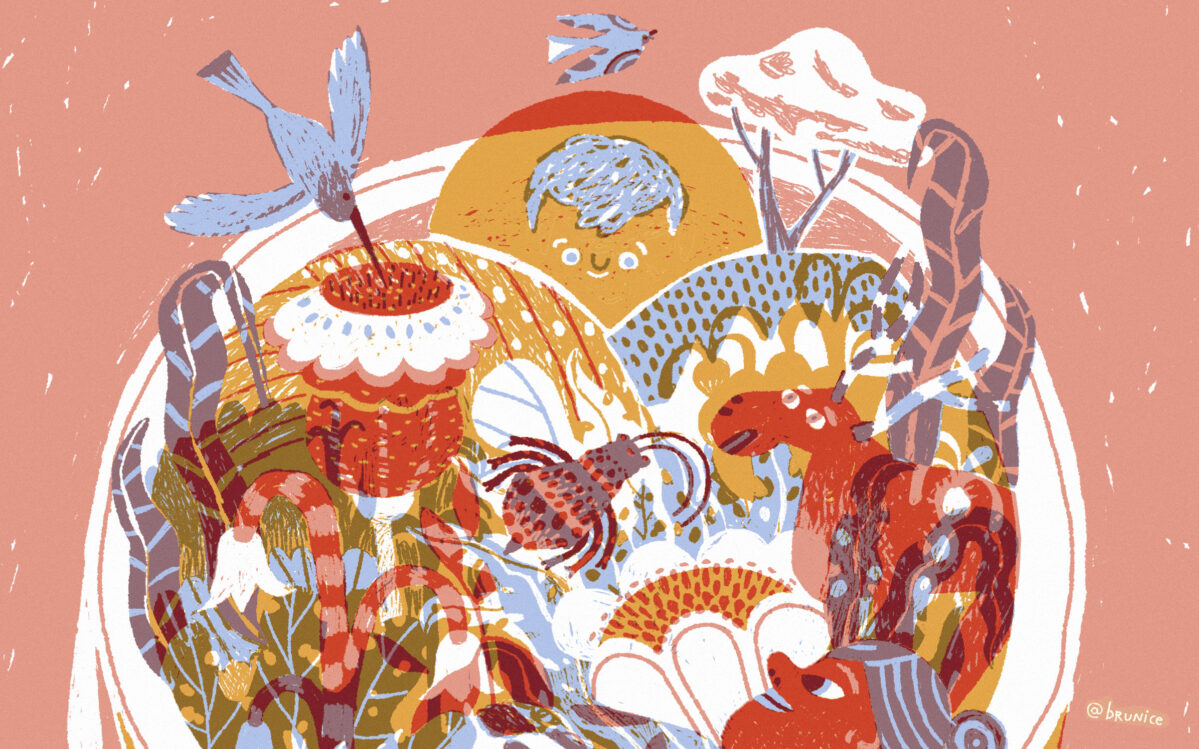
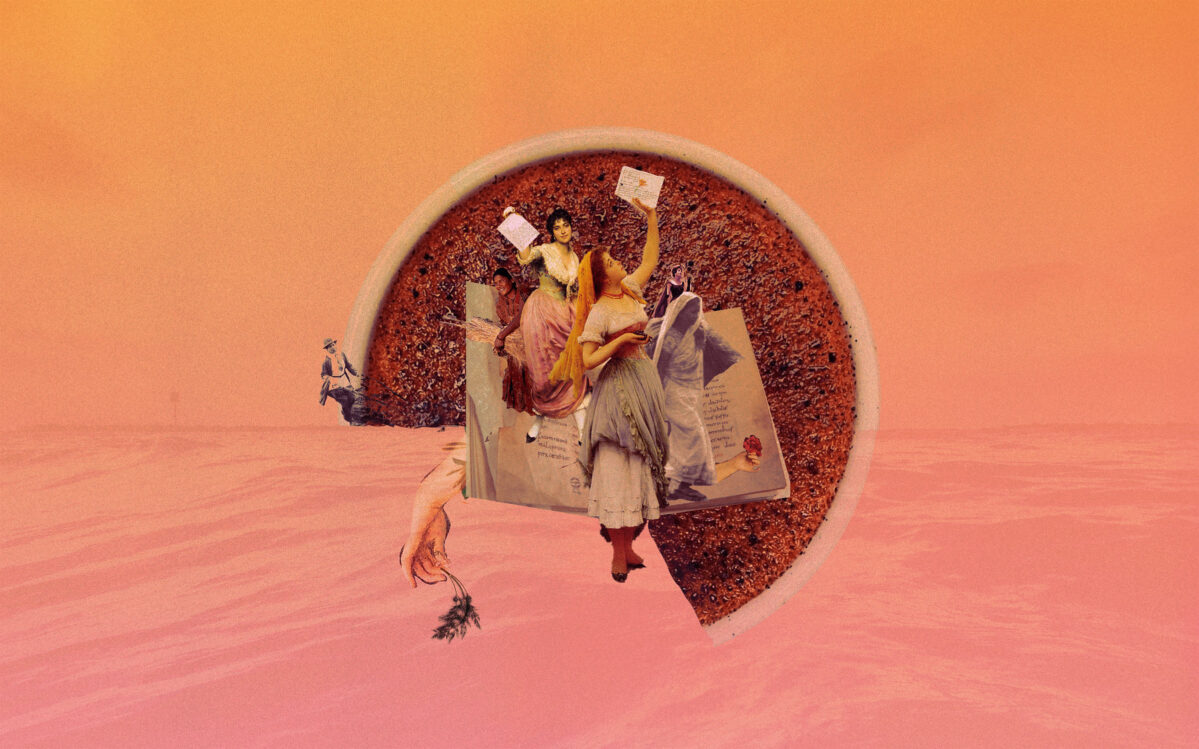
Waking up late on a weekend morning was Maya's favorite part of the week, especially in winter. She loved the cozy warmth of her blanket, the sight of smoke rising from logwood fires and kerosene stoves, and the aroma of bubbling ginger tea filling the air. From her bed, she peered out, eyes half-open, her nose still snug under the blanket. The sun’s rays filtered through old, tarnished windows, highlighting the cracks in the walls. The torn curtain fluttered like a trapped bird, adding a whimsical charm to the room. Despite its worn-out appearance, the house felt alive with warmth and love. This was Maya's special Sunday, not a regular school day where she had to rush out of bed and walk miles to reach her school.
“Maya, wake up! Or are you planning to eat the pomelo chaat in bed today?” her father called out from the other room, where he was busy sewing a shoe.
Maya’s father was a cobbler, a profession assigned to the lowest caste in India. The caste system dictates social status and often limits interactions and opportunities for those in lower strata.
“I almost forgot!” Maya exclaimed, jumping out of bed. “Ma, pour me some tea while I get dressed. I have the most important job; nobody can have the chaat if I don’t deliver the pomelo to Ratna Auntie on time.”
She dressed quickly, noticing a tear in her pullover’s elbow—probably from last week’s adventure of picking pomelos from the thorny branches. As Maya sipped her tea, her mother hastily mended the pullover. It was one of the few they could afford, given her father’s modest earnings. Maya noisily sipped her tea, a habit she enjoyed, while her thoughts wandered to the rigid caste system. This system had prevented her father from pursuing education, trapping him in the same profession as his ancestors and perpetuating their poverty. Despite his hard work, a cobbler’s earnings in a small village were barely enough to make ends meet.
Her mother handed over the freshly mended pullover with a warm smile.
“Be careful today while picking the pomelos,” she said lovingly.
Maya’s mother was the family’s rock, full of wisdom, patience, and love. After kissing her mother, Maya went outside, where her father waited by the pomelo tree in their small garden.
Pomelos, the largest of all citrus fruits, can weigh up to 2 kilograms. The juiciest ones have the most yellow peel and are the heaviest. Maya and her father carefully selected two perfect pomelos from the thorny branches, ensuring her pullover remained intact this time.
Maya’s mother made delicious pomelo chaat, a fruit salad that combines pomelo with spices and chutneys for a burst of flavors. However, the caste system influenced who could partake in certain foods. Upper castes often refused food cooked by lower castes, fearing it would 'pollute' them, but they accepted raw foods like unpeeled fruits. This paradox left Maya and her family on the sidelines, unable to share their culinary creations with the entire village. As she held the pomelos, Maya felt a pang of frustration at the injustice of it all.
With the pomelos in hand, Maya set off uphill, greeting villagers along the way. Children in woolens and mufflers waved cheerfully at her. She loved the cobblestone path, the majestic snow-capped Himalayas, the deep blue sky, the chirping of Himalayan barbets, and the gentle wind. It all felt like home to her.
Suddenly, Farhan appeared out of nowhere.
“Daydreaming again?” he teased, grabbing a pomelo from her. “Did Gazala Khaala make the chutney?”
“Yes, she did. Let’s hurry!”
They rushed to Farhan’s house, where they heard the sound of a sil-batta grinding chutney. This traditional stone grinder brought out the flavors of fresh coriander, garlic, green chilies, cumin seeds, amchur (dried mango powder), and salt. The aroma was intoxicating. Gazala Khaala filled an earthenware pot with the vibrant green paste and handed it to Farhan, who urged her to join them at Ratna Auntie’s house without delay.
As they walked, Maya and Farhan shared school gossip, making the long hike more enjoyable. However, their conversations sometimes turned somber, like the time they were relegated to the back of the classroom because upper-caste children couldn't see the board. They both felt the weight of such discrimination.
As they climbed higher, a fresh mist enveloped the village, eventually settling over the valley like a blanket. Maya could see her home far below, reflecting the village’s hierarchy, where the poorer families lived on the outskirts. The disparity was stark, with their mud houses looking tiny compared to the grand havelis (mansions) at the top.
“Education is our way out,” Maya said, breaking the silence. “One day, I’ll have a haveli with my name on it—Dr. Maya!” she giggled.
“Just promise we’ll still have pomelo chaat on Sundays,” Farhan added.
“Deal,” she agreed, shaking his hand.
They spotted their mothers approaching and hurried to prepare the chaat before the women arrived. Ratna Auntie’s house was grand, with a large veranda and a kitchen bigger than Maya’s entire home.
“What took you so long?” Ratna Auntie greeted them warmly.
She was a Kshatriya woman, respected and influential in the village. Maya admired her for her elegance, draped in gold jewelry and luxurious pashmina shawls.
Ratna Auntie began peeling the pomelos, revealing their juicy, coral-pink flesh. She mixed the pomelos with the chutney on a thaali (large plate) and asked Maya and Farhan to invite the women and children from the neighborhood, including the priest’s wife, to distribute the chaat.
They raced to the temple and back, not wanting to miss a moment of the gathering. By the time they returned, the veranda was crowded. Maya and Farhan found a spot on the floor with their mothers, assigned to the lower castes. The higher the caste, the more elevated the seating. The priest’s wife, an elderly woman with a serene face, began serving the chaat, starting with the children. Maya quickly took her share, savoring the sensory explosion of flavors—sweet, sour, tangy, spicy, and crunchy.
As Maya looked around, she noticed a serene silence enveloping the group, each person absorbed in the exquisite taste of the chaat. She smiled, savoring a rare, fleeting unity that warmed her heart. Compliments and suggestions floated around like soft melodies, some praising the delicate balance of flavors, others offering gentle advice. For this brief moment, the invisible lines of caste seemed to dissolve, replaced by the shared joy of a communal meal.
The making of the chaat was a delicate dance of collaboration, a metaphor for the community’s potential harmony. Maya’s family provided the vibrant pomelos, Gazala Khaala infused the dish with her tangy chutney, and Ratna Auntie brought it all together with her deft touch. This simple act of sharing food became a subtle rebellion against the rigid social structures that normally dictated their lives, allowing them to taste, if only for a moment, a world without such divisions.
As children played hopscotch and women engaged in lively conversation, Maya felt a profound sense of belonging. She caught sight of her mother, laughing and jumping with the children, her face lit with a joy Maya hadn’t seen in years. It struck Maya then—it wasn’t just the pomelo chaat that made these Sundays special; it was the fleeting sense of acceptance, of being part of something larger than oneself.
In that quiet, shared experience over a simple dish, Maya felt the bittersweet poignancy of their unity. It was a unity that transcended caste lines, yet was painfully aware of the fragile, transient nature of such moments. For Maya, this ephemeral harmony was both a taste of what could be and a poignant reminder of the barriers that still existed. The sweetness of the chaat, shared among them, made the moment all the more precious, highlighting the bitter reality that such unity was rare and fleeting. As she savored the flavors and the company, Maya hoped for a future where such moments were not the exception but the norm, a future where the barriers of caste were finally broken down.
University of Pollenzo
The world's first university entirely
dedicated to food sciences