
Across the globe, cities are taking local action to improve their food systems. While some of these projects may seem invisible, they have the potential to change the way we look at our cities and the world.
A city can be seen as a living organism, home to 50% of the world’s population and responsible for generating 80% of global GDP. As a result, cities are gaining increasing influence across the world, transforming it in terms of the environment, society, and economy. Although they technically occupy only 3% of the Earth’s surface, cities account for 60–80% of energy consumption and are responsible for 75% of global carbon emissions. They are the main entry point for most raw materials and finished products into a country, and the main exit point for waste and polluting emissions, often to the detriment of surrounding urban areas. Cities are also the primary destination for immigration and, as such, are responsible for either the inclusion or exclusion of foreigners and disadvantaged individuals. Furthermore, cities play a significant role in managing national health, making them places where society, economy, health, and the environment intersect and blend.
Recognizing their immense potential for change, cities across the globe are beginning to improve their food systems through local initiatives, with the hope that these actions will spark global change. In this context, numerous interesting projects related to the food chain in urban settings have been launched, addressing topics such as food production, sustainable diets, food waste, and more. Let’s discover some of them, through 10 examples of best practices that, if shared, could have an even greater impact on our global food system.
1. Shanghai, China| New Food Safety Credit System

In Shanghai, China’s largest city, managing food safety for small and medium-sized food enterprises is quite complex. To tackle this, in 2013, the government launched a new credit system aimed at improving food production supervision to ensure safety. The system, shared across state departments and various public and private actors, is based on the belief that food safety policy must be comprehensive, cohesive, and well-implemented. In recent years, 1,526 food producers, 80,000 food companies, and 50,000 catering services have been assessed, resulting in a significant improvement in the city’s food safety.
2. Birmingham, England | “Tackling the Obesogenic Environment Team”

Scientific research has shown that addressing obesity requires transforming the food environment in which people live, improving access to fresh food, and educating the population. Based on this idea, Birmingham created the “Tackling the Obesogenic Environment Team,” a task force that developed an educational system on the topic, working with schools, community centers, institutional advertising, fast food outlets, and many other public and private entities interested in reshaping the food environment.
3. Lyon, France | Short Supply Chain System

The Lyon metropolitan area is home to thousands of restaurants serving all kinds of cuisine. However, only a small portion uses local ingredients, mainly due to high costs. The city addressed this by promoting a short supply chain system to link rural production with restaurant needs. This involved new agricultural policies supporting increased organic and local production, and connecting organic producers with distribution and processing companies. Thanks to this new network, restaurants have increased their use of local and organic ingredients, supporting the local economy
4. Tel Aviv, Israel | Improved Education

Tel Aviv is working with local NGOs and informal educational institutions to improve education around food, healthy and sustainable eating, and traditional cooking. In 2016, for example, the city collaborated with over 8,000 scouts aged 8 to 18. The project introduced a new healthy menu for children and cooking classes with parents. The initiative showed that alternative educational institutions can serve as participatory and horizontal ways to spread knowledge.
5. Kyoto, Japan | “Kyoto City New Garbage Half Reduction Plan”

In 2015, Kyoto launched the “Kyoto City New Garbage Half Reduction Plan” to regulate the reduction and disposal of all types of waste in a new, sustainable way. The plan relies on cooperation with local businesses, NGOs, and citizen participation. A standout initiative is the “3 Kiri Kitchen Waste” campaign, which encourages full use of purchased food—kiri literally means “to make full use of something.” The campaign is based on three principles: buy only what you need, eat all you buy, and drain liquids before throwing food in the trash. These simple rules were distributed to all restaurants, schools, and households. Within a year, waste volume had dropped by 49%!
6. Quito, Ecuador | AGRUPAR Project
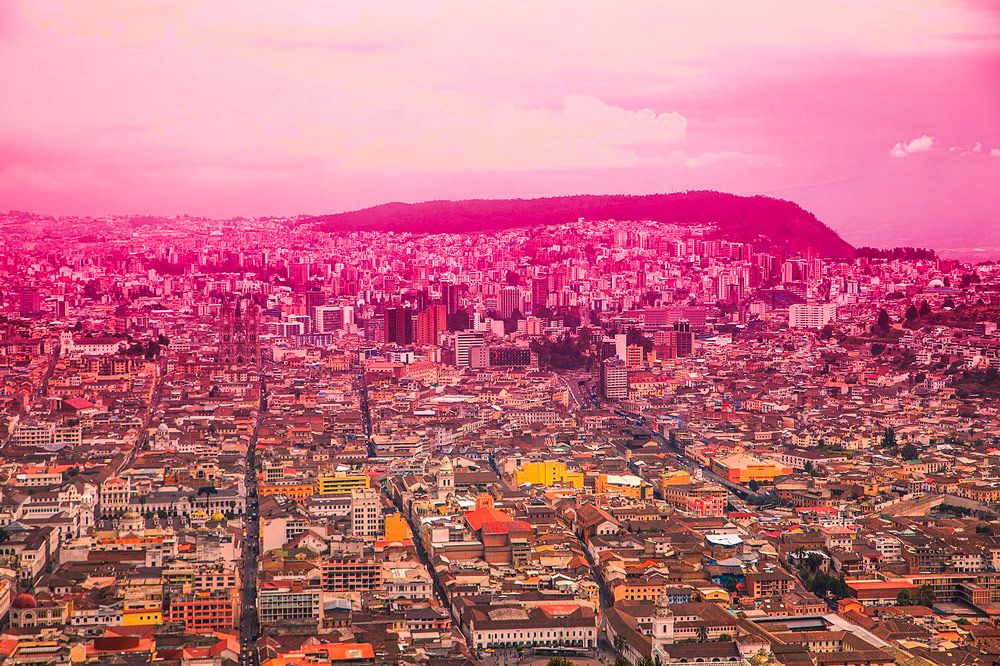
In 2002, the Quito Metropolitan District launched the AGRUPAR (Participatory Urban Agriculture Program) to promote local food self-production through urban farming. The bioferias—farmers’ markets where small producers sell their goods and promote healthy diets—offer citizens locally-grown, healthy food, free health screenings, and expert dietary advice. Often located near health centers, these enhanced farmers’ markets strengthen the bond between small producers and consumers, create jobs, and serve as knowledge-sharing platforms.
7. Pamplona, Spain | “Children’s School Program”
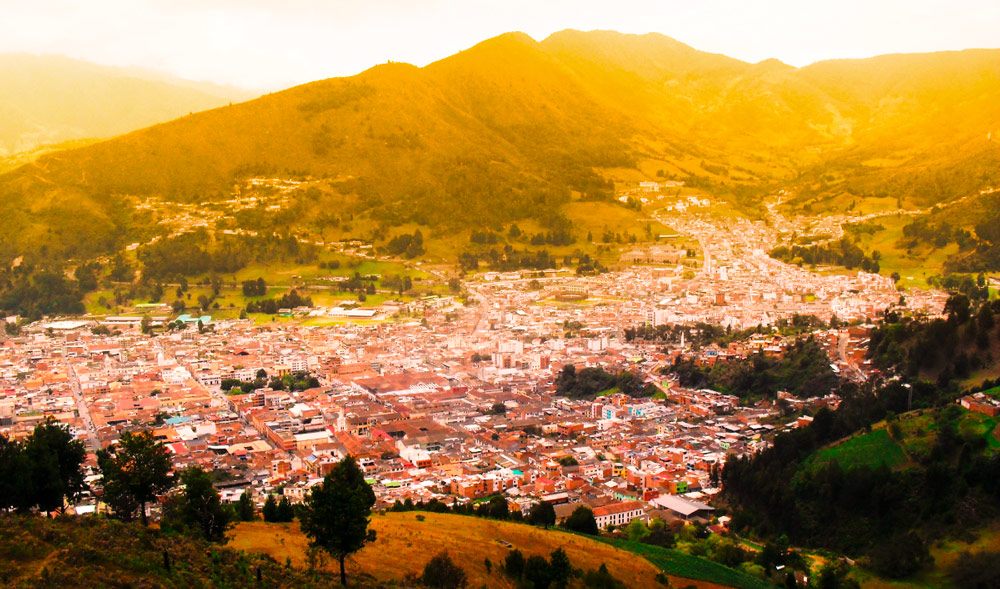
Launched in 2016, the “Children’s School Program” aims to reduce food poverty, improve diets, and manage food waste. Working closely with school cafeterias and public authorities, the program seeks to improve menus, raise awareness, and share knowledge about sustainability and nutrition. The initiative also organizes visits to local producers to connect children and their families with food production.
8. Mexico City, Mexico | Community Dining Rooms Program
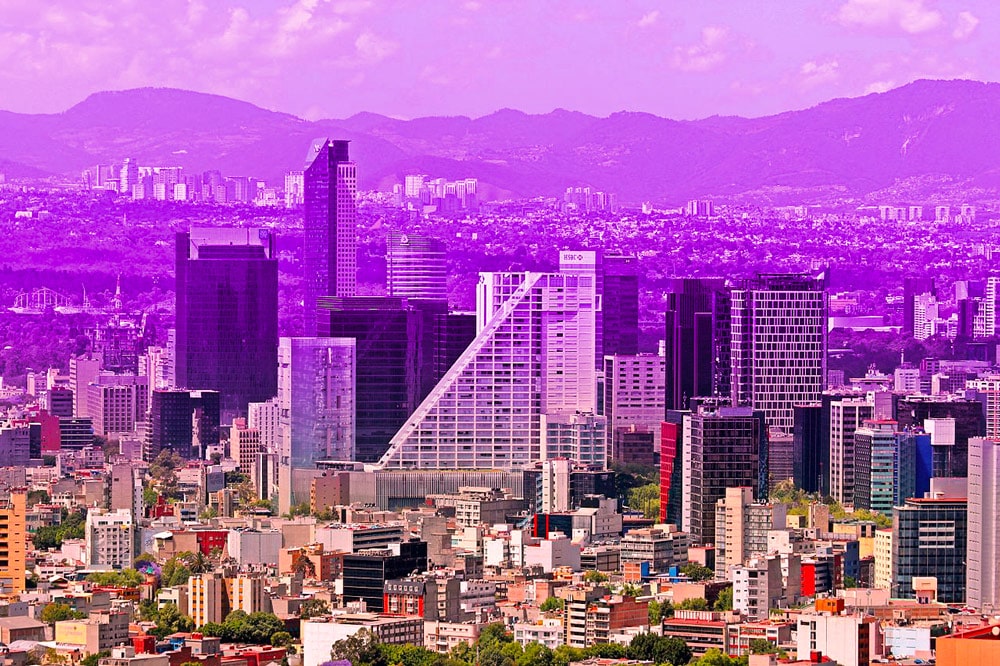
In a city of over 8 million people, food security is a major concern, especially for vulnerable groups. That’s why, in 2009, the city launched the Comedores Comunitarios (Community Dining Rooms) program, establishing 488 dining halls across 16 districts and serving 65,600 meals daily at a cost of 10 Mexican pesos (about $0.52 USD). The project provides both meals and jobs for those in need. Between 2010 and 2015, food poverty dropped from 15.5% to 5.6% thanks to these community spaces.
9. Johannesburg, South Africa | “Food Resilience Unit”

Johannesburg is one of the most food-insecure cities in the world. To ensure better access to food, strengthen communities, and promote urban farming, the city created a “Food Resilience Unit”—a broad strategy that also includes “Food Empowerment Zones.” These are large-scale urban farms that offer space for agriculture, along with a restaurant, market, and area for exchanging surplus food. In the largest food empowerment zone, 32 cooperatives work across more than 250 hectares of land. The project provides a network and safe space for producers and consumers to grow their own food.
10. Austin, USA | “Fresh for Less” Program

Like many U.S. cities, Austin faces food insecurity tied to unhealthy food consumption. The link between poor access to healthy food and diet-related diseases such as obesity and cancer is well established. One way Austin is tackling this issue is through the “Fresh for Less” program, implemented in 19 low-access communities via markets, kiosks, and stores where people in need can buy fresh fruits and vegetables at fair prices. These food access points also accept SNAP (Supplemental Nutrition Assistance Program) benefits, helping even more people in need.
Master in Contemporary Food Heritage
Lorem ipsum dolor sit amet, consetetur sadipscing elitr, sed diam nonumy eirmod tempor invidunt ut labore et dolore magna aliquyam erat, sed diam voluptua.
Why is it important to know about these projects?
Just like these ten cities, many others are working toward sustainability. These projects arise in different contexts, address different needs, and combine various interventions, actions, and strategies. Yet they all aim to make their food systems more sustainable by collaborating, sharing, educating, and caring. This is why knowing about them is important: they teach us that to change a system, all parts—regardless of size—must work together and move in the same direction. They also show that the food system both affects and is influenced by many different factors that must not be overlooked in building a better future. Sustainability is, above all, about a shift in paradigms and direction, and these ten cities prove that even the smallest step can have a big impact.